Blogs
Learn more about hair loss and alternative treatments for hair growth.
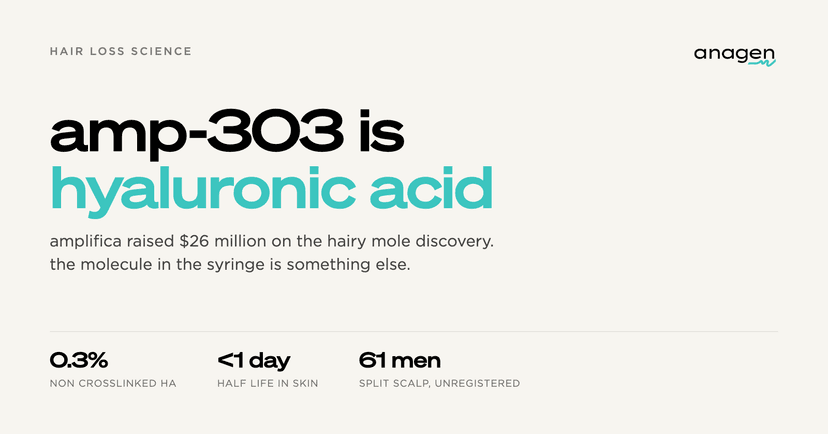
Amplifica raised $26 million with Eli Lilly participating, and AMP-303 is being called the hairy mole drug. Its own patent says the study compound is 0.3% hyaluronic acid. Here is what the Phase 1 data shows, what it leaves out, and why the molecular weight matters.
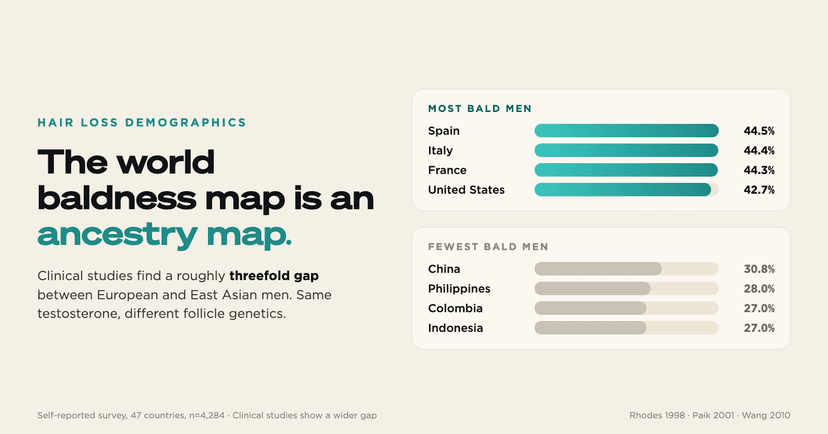
Spain tops the world baldness rankings at 44.5%, but the real story is ancestry: clinical studies find a roughly threefold gap between European and East Asian men.
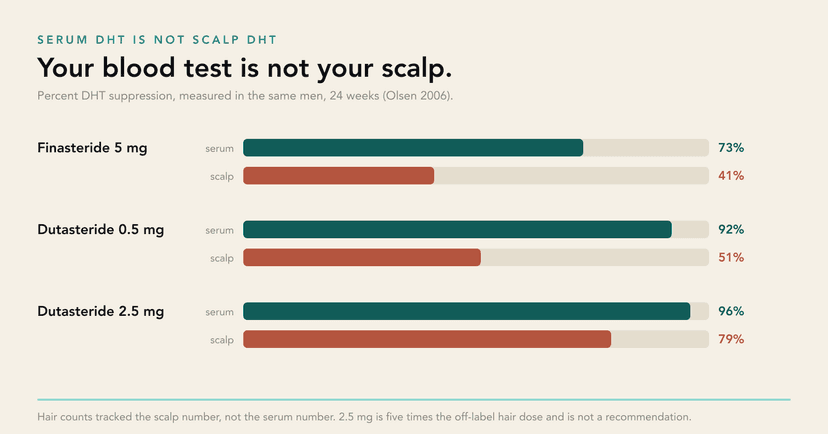
Standard finasteride clears most serum DHT but far less scalp DHT. Here is what the head-to-head trials actually show about how low scalp DHT can really go.
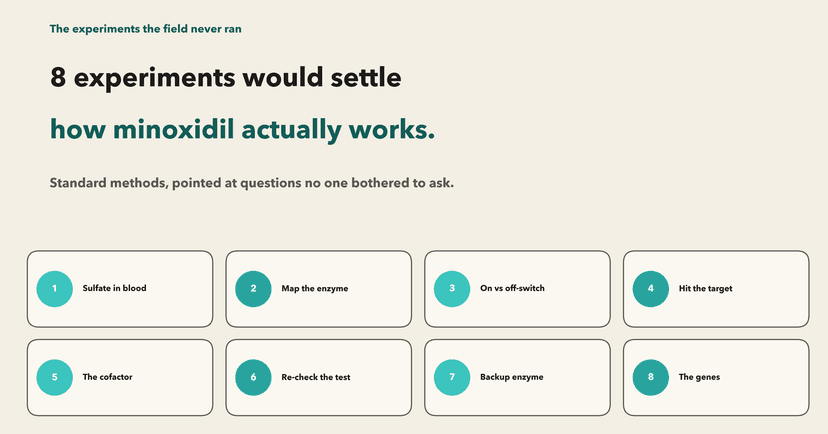
Minoxidil response was never one number. It is a balance of five things and the field measures one. Here are the eight experiments that would measure the rest, and what each one would finally answer.
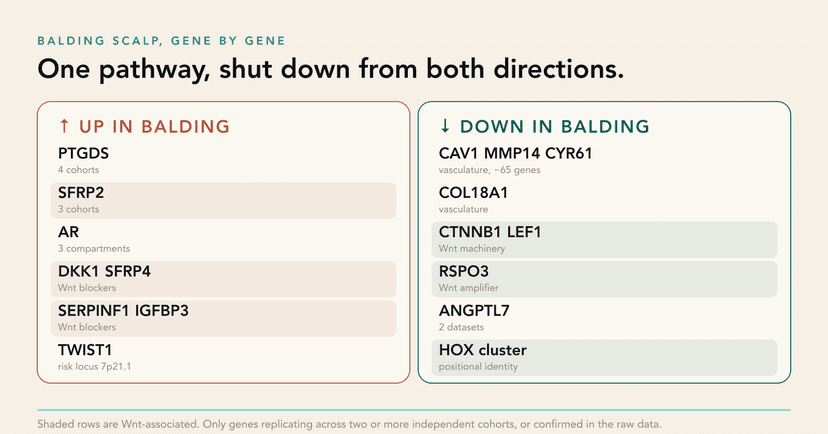
Every gene expression difference between balding and non-balding scalp that replicates across independent studies, and which famous findings do not survive scrutiny.
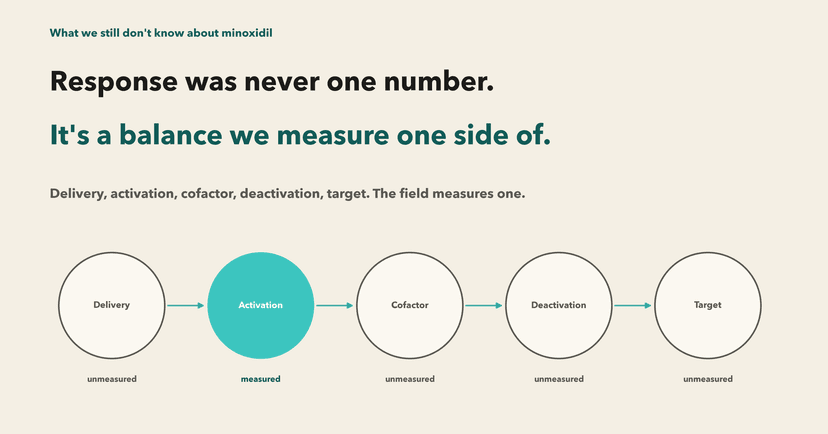
Minoxidil is the most-used hair drug in the world, yet the foundational experiments were skipped. No one has measured its active form in blood, seen its enzyme in a human follicle, or tested whether the scalp deactivates it as fast as it turns it on.
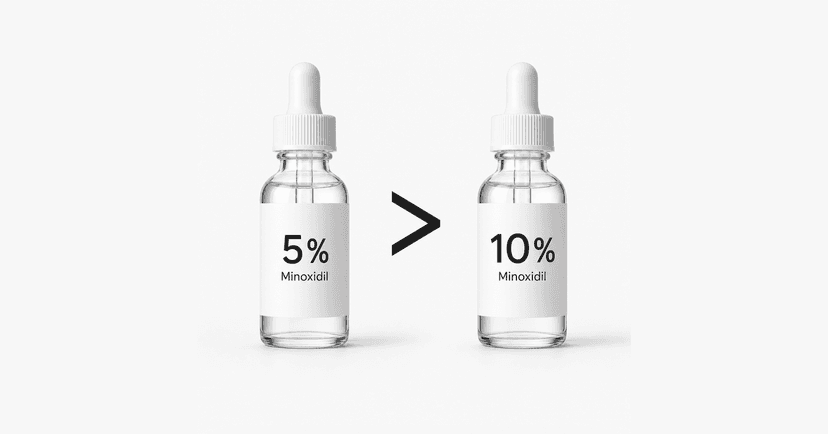
Topical minoxidil absorption does saturate, but the ceiling sits around four applications a day. Below that, in the range people actually use, more frequent application still increased the amount absorbed.
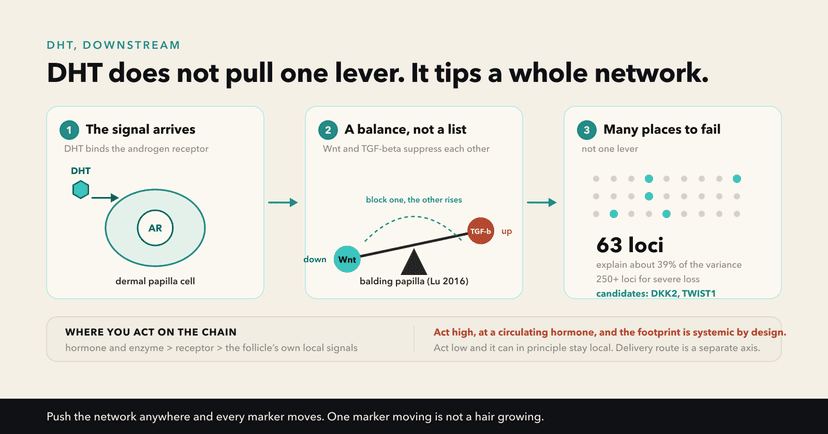
DHT does not shrink a follicle by touching the hair. It flips a switch inside dermal papilla cells, which then release inhibitory signals like DKK-1, TGF-beta, and IL-6.
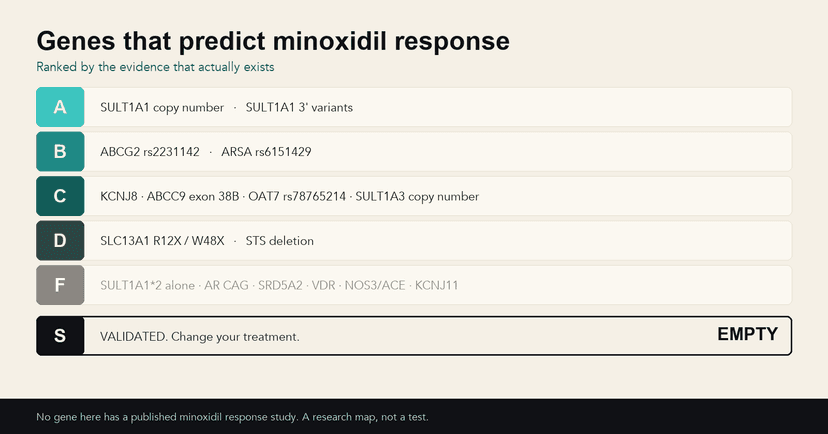
If you have whole genome data, here is every gene that could predict whether minoxidil works for you, ranked by evidence, and why the variant nearly every genetic test reports ranks last.
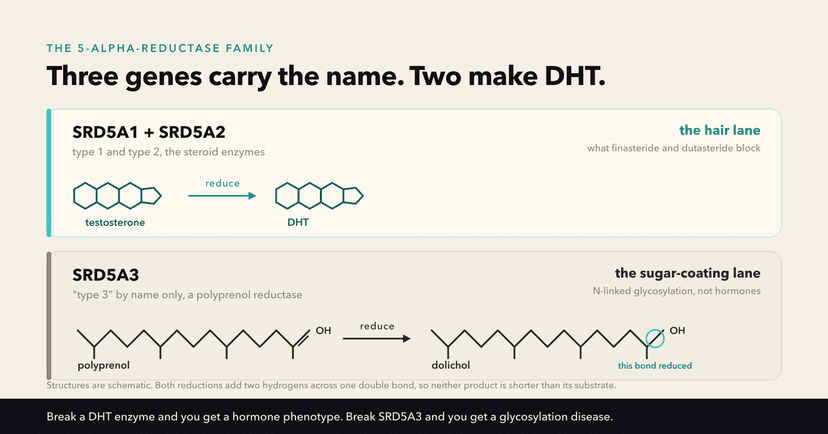
People say there are three 5-alpha-reductases. Only two make DHT. The third, SRD5A3, is really a polyprenol reductase in the sugar-coating pathway.
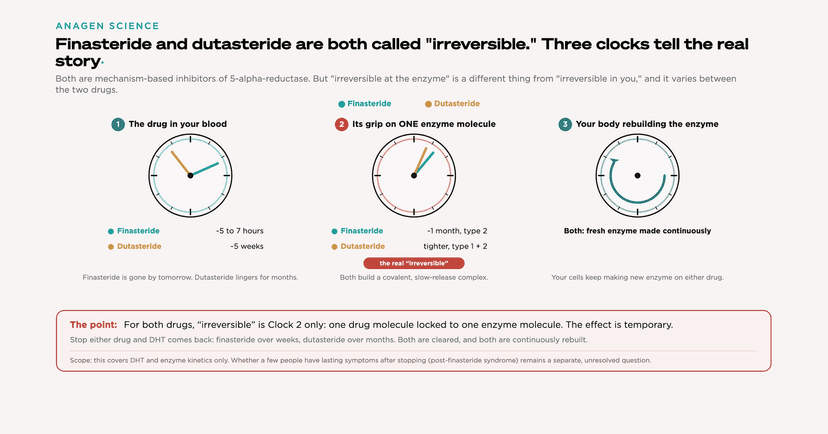
Finasteride and dutasteride are both irreversible 5-alpha-reductase inhibitors, but that describes their grip on one enzyme molecule, not a permanent change to your body. Three clocks explain the difference.
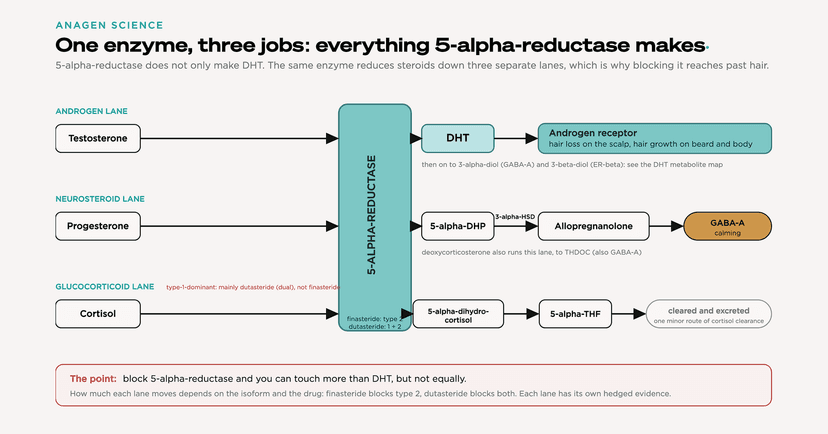
5-alpha-reductase is not just the DHT enzyme. It runs three steroid lanes: androgens for hair, calming neurosteroids, and cortisol cleanup.
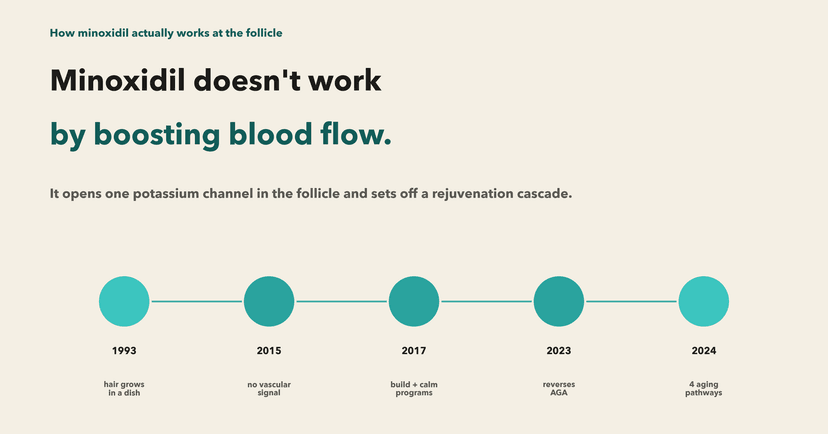
Minoxidil does not grow hair by boosting blood flow. It opens one potassium channel in the follicle and sets off a rejuvenation cascade, a story told by just five human-follicle studies across 31 years.
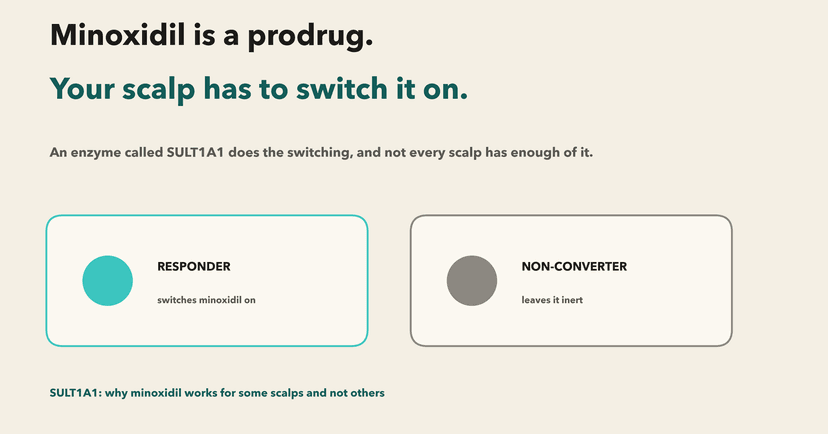
Topical minoxidil is a prodrug that your scalp has to switch on with an enzyme called SULT1A1. How much you have is one of the best predictors of whether topical minoxidil grows your hair, and why oral often works when topical hasn't.
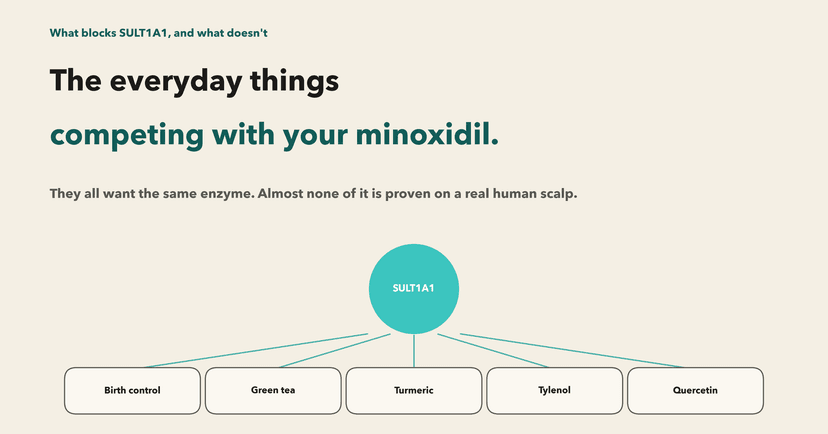
Minoxidil is a prodrug switched on by the enzyme SULT1A1. Birth control, green tea, turmeric, quercetin, and Tylenol all compete for that enzyme, but almost none of it has been tested on a real human scalp.
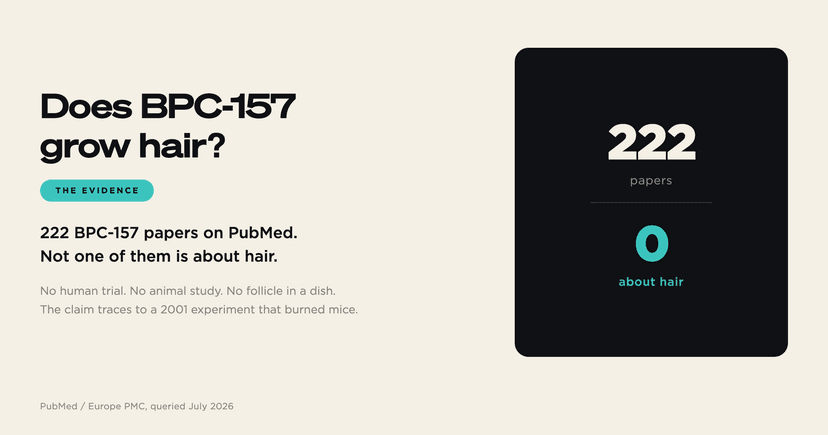
PubMed indexes 222 BPC-157 papers and not one is about hair. The claim traces to a 2001 experiment that burned mice, and the trial clinics cite for scalp injections cannot be found in any database.
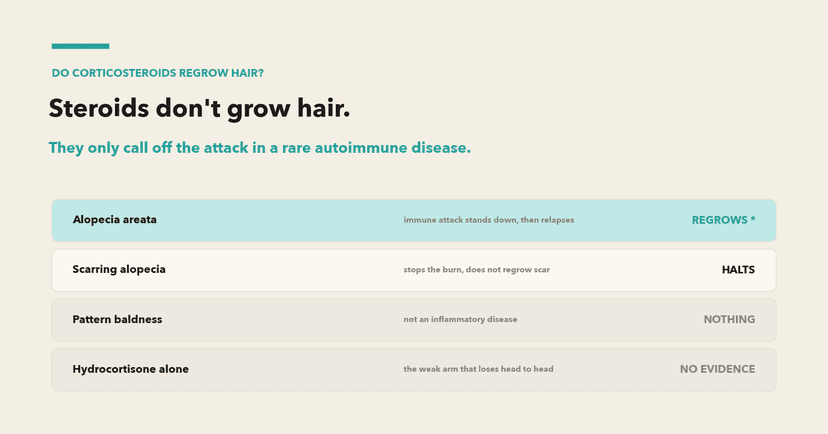
No corticosteroid regrows pattern hair, and hydrocortisone has no regrowth evidence anywhere. Steroids only help by calming the immune attack in alopecia areata or the inflammation in scarring alopecia.
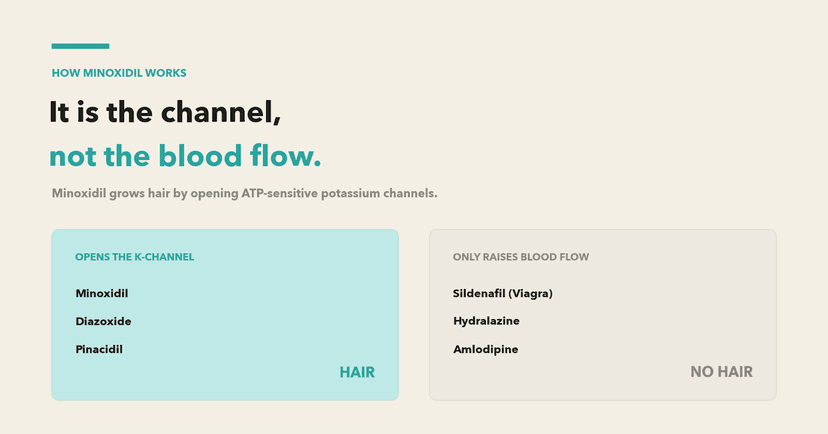
Minoxidil does not grow hair by increasing blood flow. It opens ATP-sensitive potassium channels, the same mechanism behind diazoxide and pinacidil. Here is how minoxidil actually works.
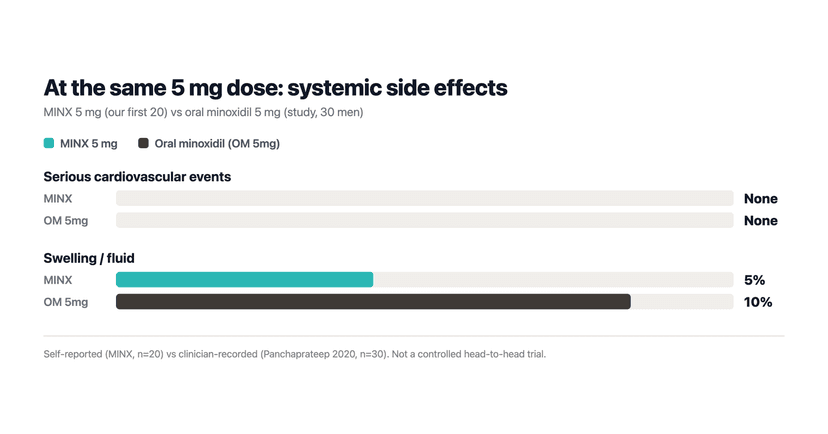
What our first 20 MINX 5 mg users reported about side effects, compared head-to-head with the published 5 mg oral minoxidil study and against low-dose oral minoxidil across 1,404 patients. A consumer perception study, not a clinical trial.
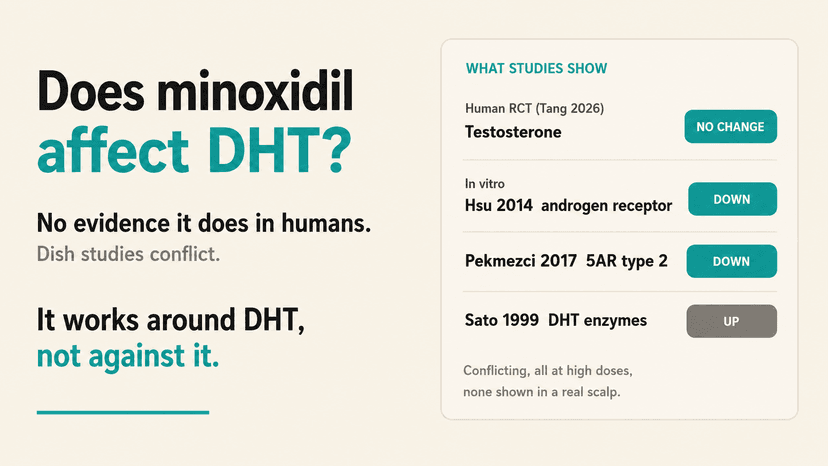
No human study shows minoxidil lowers DHT, and the lab studies contradict each other. Here is every study on whether minoxidil is a DHT blocker, and why it does not matter.
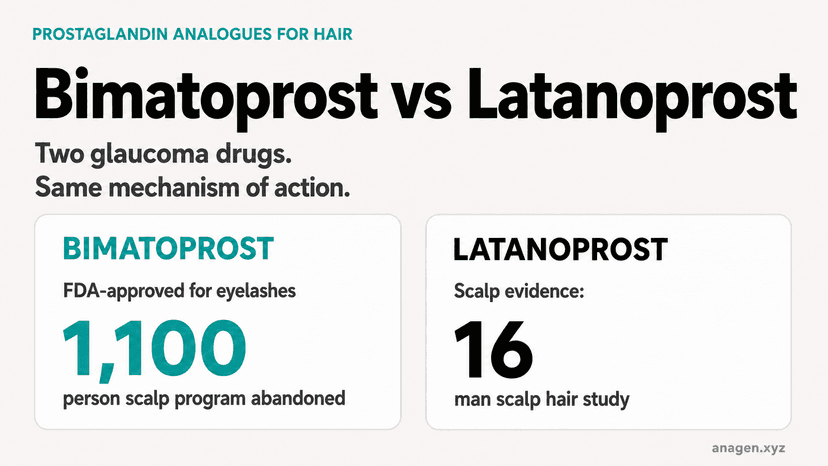
Bimatoprost (Latisse) is FDA-approved to grow eyelashes, and latanoprost grows them too. But do these prostaglandin analogs regrow scalp hair? A full look at every preclinical and clinical study for both drugs, and the wider prostaglandin class.
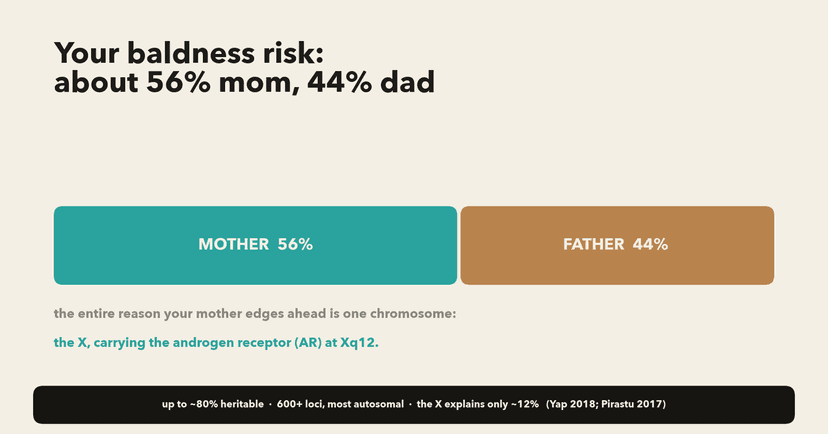
Does baldness come from your mother's side, or your mother's father? The maternal-grandfather rule is only half right. We ranked the genes by strength and modeled the split: about 56 percent of your baldness risk traces to your mother and 44 percent to your father.
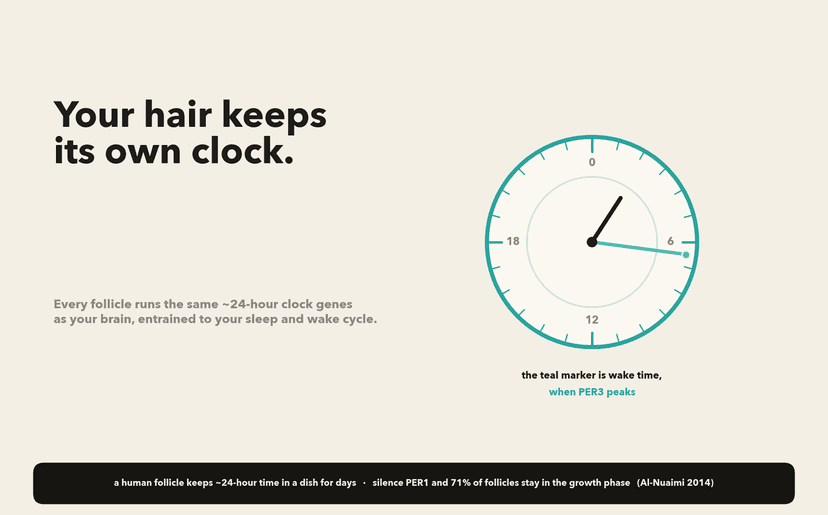
Every hair follicle runs its own 24-hour clock, set by your sleep cycle. Here is what that clock actually does, what the genes control, and what the evidence does not support.
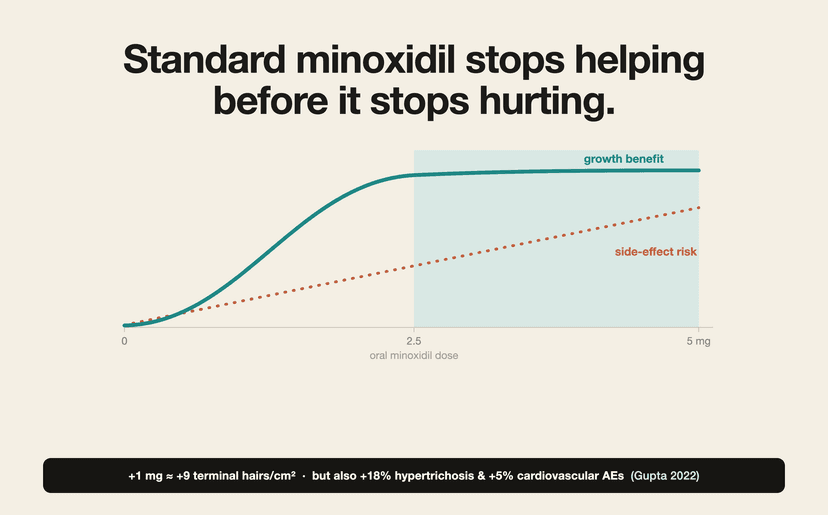
Across low-dose oral minoxidil studies, each +1 mg grows about 9 more terminal hairs/cm² but also raises hypertrichosis and cardiac side effects. Then the growth curve bends while the risks keep climbing.
GLP-1 weight-loss drugs like Ozempic, Wegovy, Mounjaro, and Zepbound carry a real hair-loss signal, but the cause is mostly telogen effluvium from rapid weight loss, not the drug attacking your follicles. The verified rates, the mechanism, why women see it more, and what actually helps.
Finasteride blocks one DHT-making enzyme; dutasteride blocks both. We break down the history, the binding affinities, the scalp enzyme map, head-to-head efficacy, and the lowest and standard doses of each. Educational only, not medical advice.
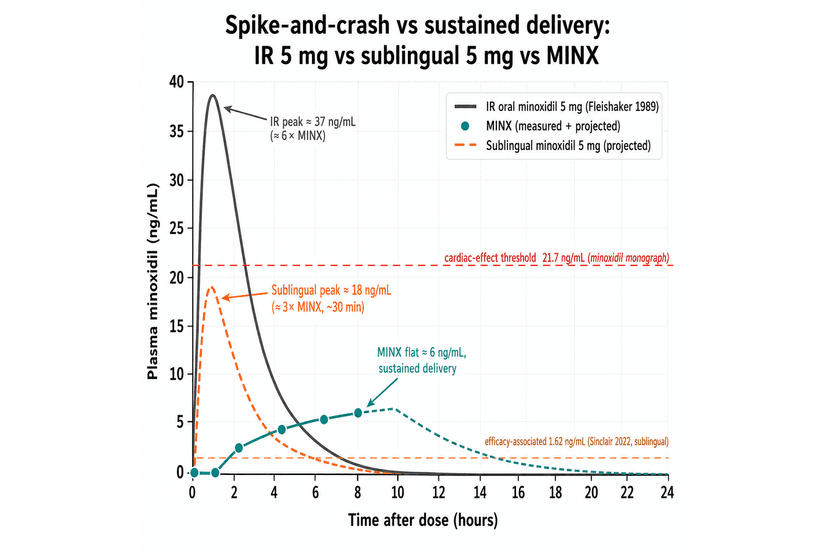
Sublingual minoxidil is sold as the smooth-release, safer alternative to standard oral. The published pharmacokinetics say it is neither: at 5 mg it has the same peak timing as standard oral and roughly 3x the peak of MINX at the same dose. Here are the three PK tests a real prolonged-release oral minoxidil has to pass — and where each route actually lands.

HairDAO runs a telehealth business, a research lab, a full-time team, and a growing patent portfolio — all owned by a single 501(c)(4) nonprofit with one governance token. No equity to buy, no separate vehicle for the patents, and no cap table above you: whatever HairDAO builds, it all reports to $HAIR.
PP405 may be the most hyped hair loss drug since Propecia. A plain-language walk through how it actually works at the level of the hair follicle stem cell, and why the mechanism that excites everyone may not be the one that reverses pattern baldness.
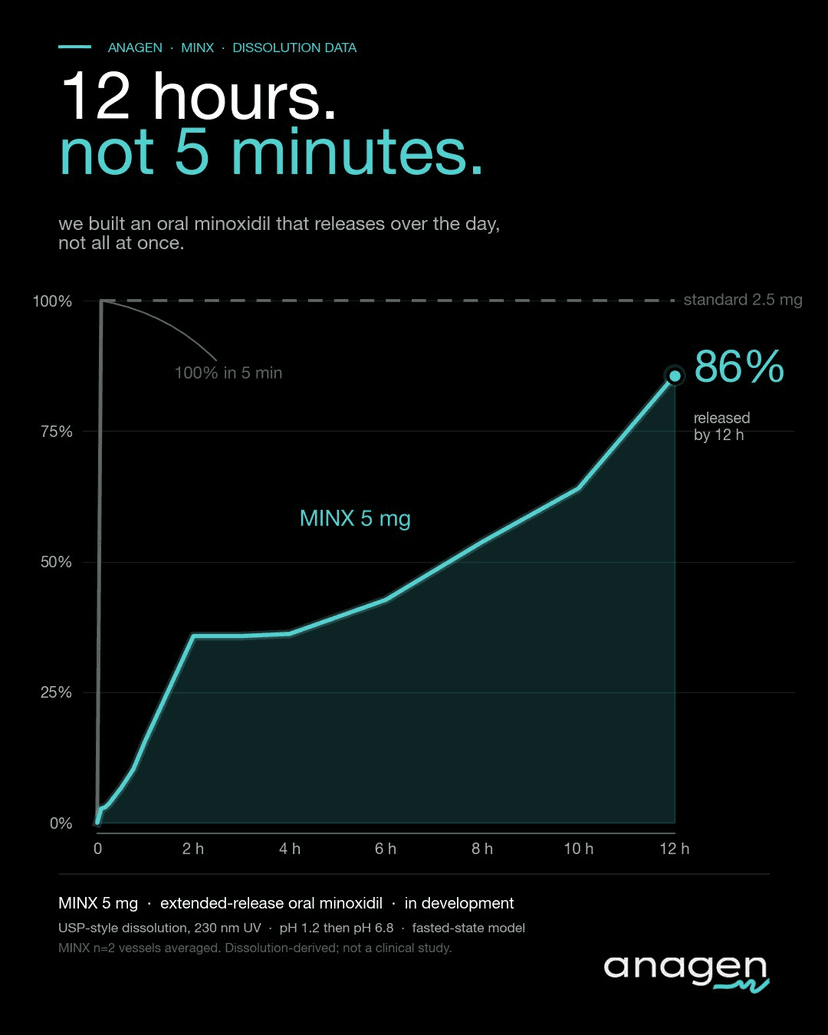
MINX launches Monday. It’s our 5 mg oral minoxidil lipid-matrix capsule, with in vitro dissolution data showing slower release versus an immediate-release comparator. Same active ingredient, designed for a more gradual release profile. Not VDPHL01, not FDA-approved extended release, and not clinical proof, but a more thoughtful approach to oral minoxidil.
VDPHL01 is Veradermics' investigational extended-release oral minoxidil tablet. The company raised $256 million in an oversubscribed IPO and just presented new comparative data at AAD 2026. Here's what the evidence actually shows, and what's still missing.

Kintor Pharma announced that its topical androgen receptor antagonist pyrilutamide hit its Phase 3 primary endpoint in a 666-patient hair loss trial in China. The data is encouraging on paper, but readers should keep several caveats in mind: these are top-line company-reported results, the trial was conducted entirely in China, and Kintor has been a recurring point of debate in the hair loss community.
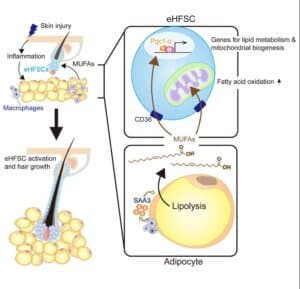
Researchers at National Taiwan University published a study in Cell Metabolism showing that a topical fatty acid formulation can regrow hair in mice by activating dormant hair follicle stem cells. The mechanism is tremendously well studied. The headlines were predictable. Here’s what the evidence actually shows, and the hard questions the paper doesn’t answer.
Clascoterone 5% (Breezula) is one of the most anticipated hair loss treatments in development - a topical androgen receptor antagonist that blocks DHT at the follicle without lowering systemic hormone levels. Here’s what the clinical data actually shows, how it compares to other topical anti-androgens like pyrilutamide (KX-826), and what patients should realistically expect.
PP405 is an investigational topical that works through a novel, non-hormonal mechanism. But does the new clinical data presented at the AAD 2026 Annual Meeting change the picture? We break down what Pelage Pharmaceuticals revealed, what it means for hair loss patients, and where our original analysis still stands.
A science-first look at which peptides target the right pathways for androgenetic alopecia and what the FDA’s potential 2026 reclassification could mean for access.
Copper peptides such as GHK-Cu may improve scalp health, boost follicle signaling, and support hair growth. Learn the science, how to apply serums to a damp scalp for best absorption, potential downsides, and why six months is needed to see real results.

A 2026 guide ranking the top 5 topical dutasteride brands and explaining why delivery vehicle + billing model matter more than just the % on the label.

Postpartum hair loss peaks at 3–4 months after birth and eases by 6–12 months. Learn timelines, red flags, and safe steps while breastfeeding plus when to treat FPHL.
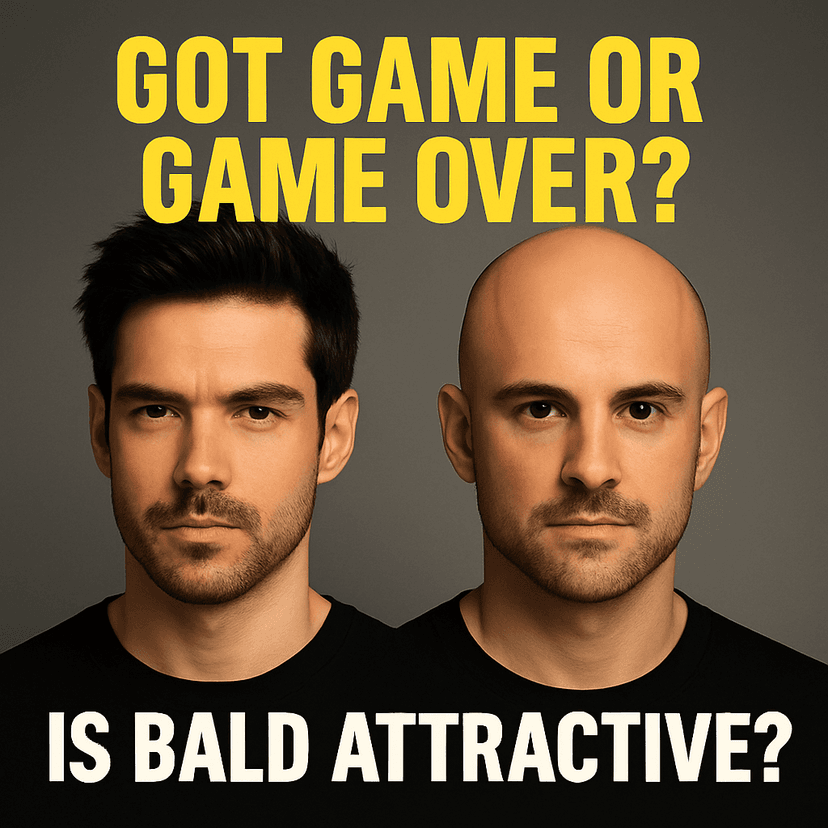
Do women like bald men? History, culture and a Tinder experiment show hair gets more first glances—but smart grooming and photos help close the gap.
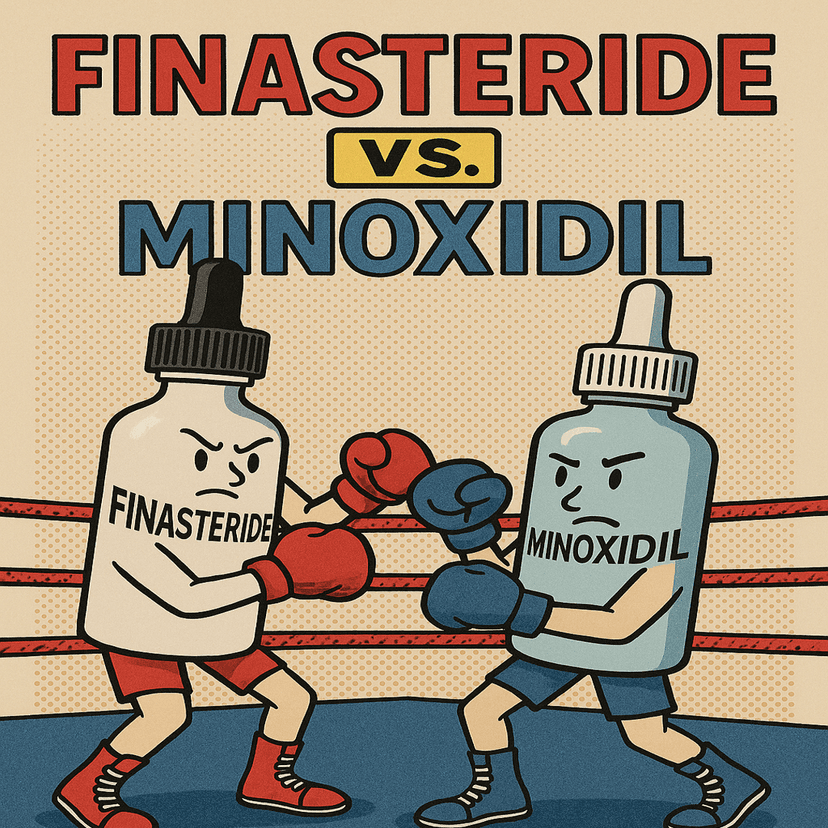
Finasteride vs Minoxidil—discover which FDA-approved hair loss treatment is right for you. Learn how each works, who can use them, and the safest, most effective doses for men and women.
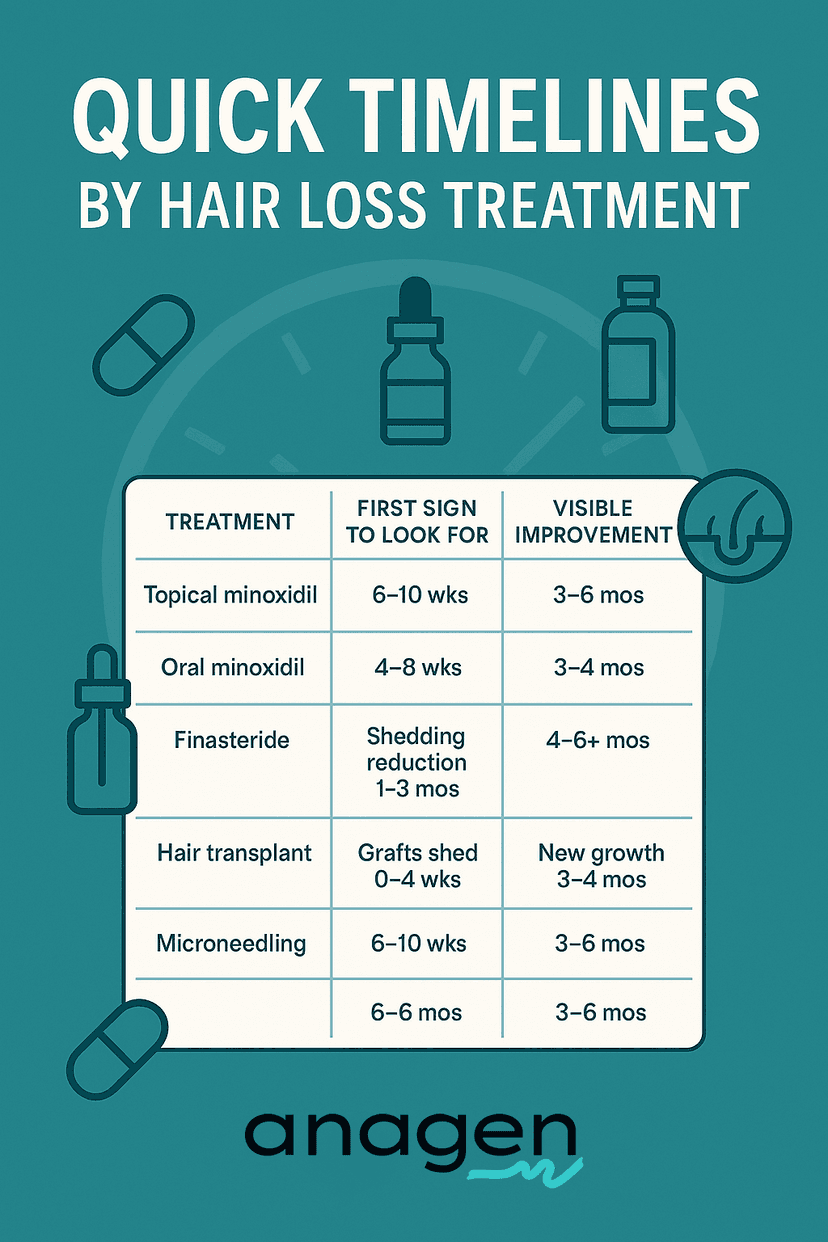
Discover how long hair loss treatments take to work. Compare minoxidil, finasteride, dutasteride, spironolactone, transplants, and more with our quick treatment timelines chart.
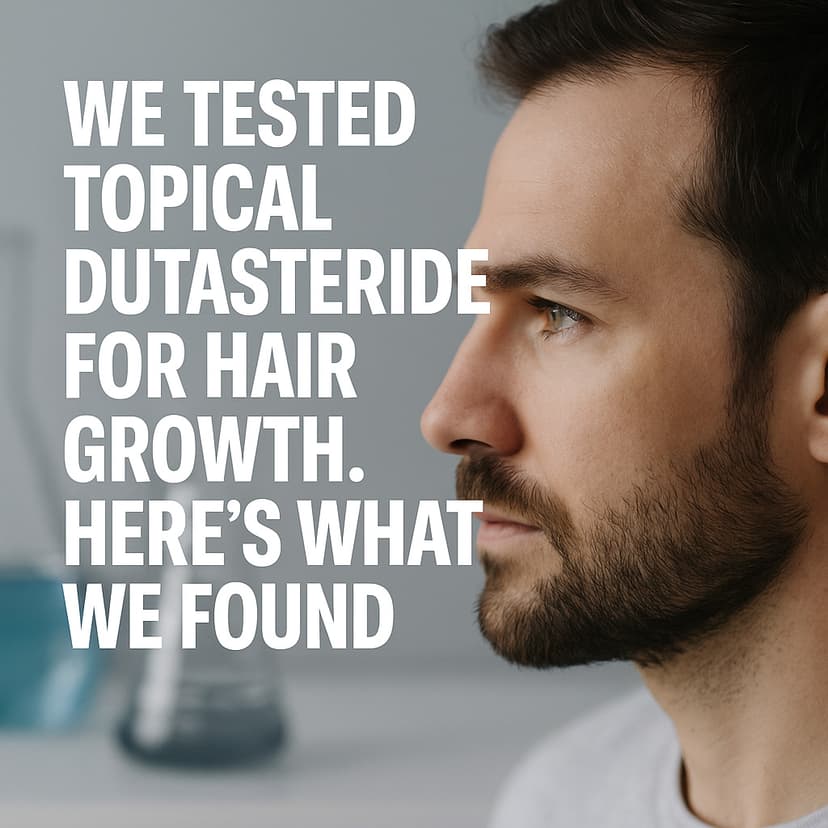
Our team tested 60+ topical dutasteride formulas to find the one that delivers powerful hair growth results — without the side effects. See what we found.
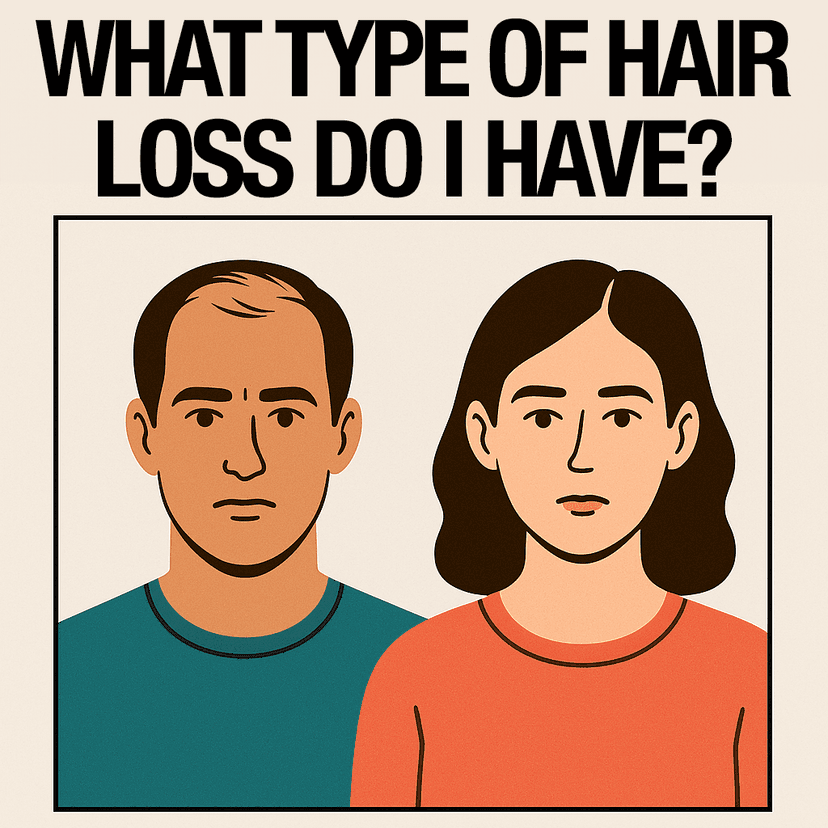
Hair falls for many reasons, and the pattern tells the story. Watch the hairline, the crown, and the part. Learn how to spot common patterns in men and women, simple at-home checks, and when to seek treatment. Discover evidence-based solutions for thinning, shedding, and patchy hair loss.
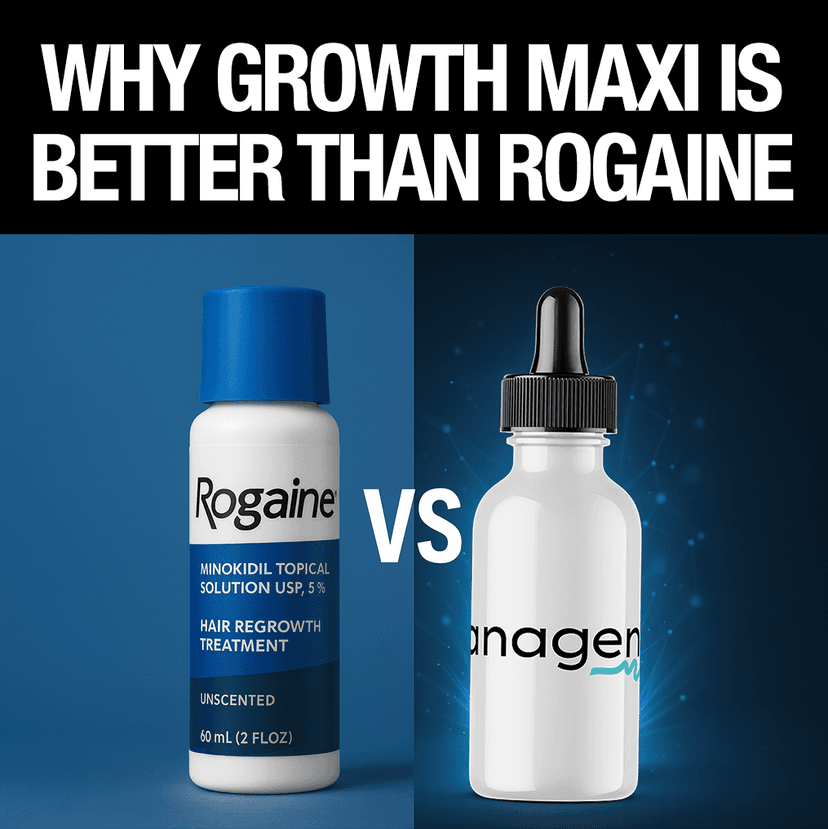
Discover why Budget Growth Maxi and Growth Maxi outperform Rogaine for hair loss treatment. Learn how its advanced multi-pathway formula with Minoxidil, Finasteride, and other clinically backed ingredients promotes stronger, faster hair regrowth.
Hair shedding often peaks late summer into fall. Learn why seasonality matters, what’s normal, and how to judge treatments over 6–12 months.
0.005% topical finasteride showed regrowth in a 16-month study with no serum hormonal shifts. See what to expect, safety notes, and who it’s best for.
Not all shampoos are equal, some promote hair growth, others protect scalp health, and some cause hair loss. Learn the best ingredients to choose.
Most proven hair-loss treatments show results in 3–6 months and peak by ~12 months. Learn timelines, what to expect each month, and how to track progress.
Discover why your hair is so thin you can see your scalp and explore remedies and prevention tips.

How to hide hair loss: men’s & women’s hairstyles, fibers and scalp concealers, color & parting hacks, camera-posing tips, and proven treatments.
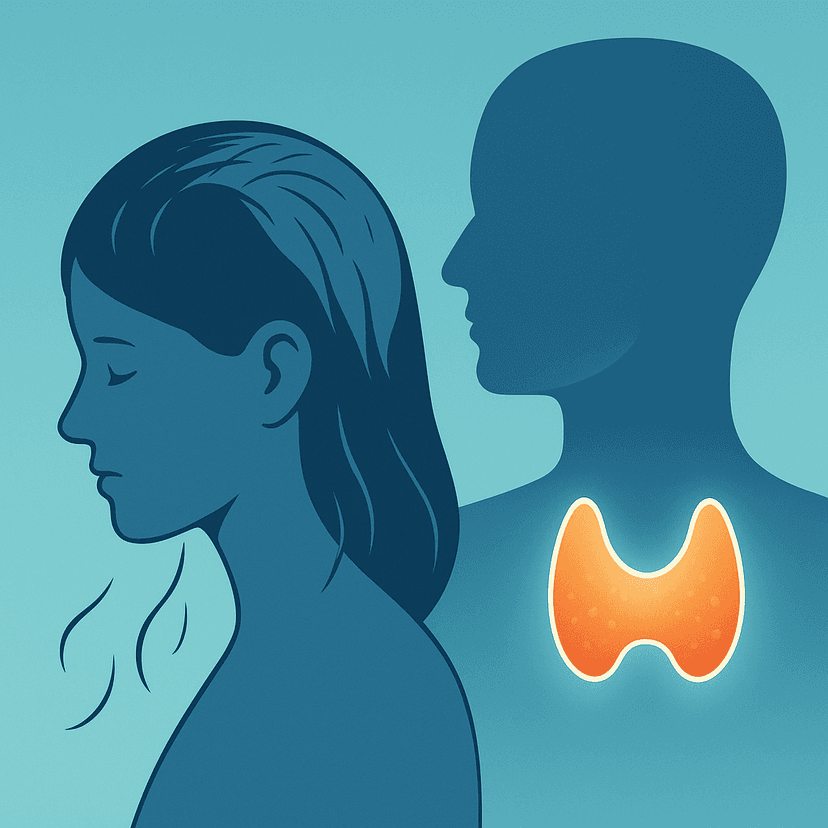
Hair loss affects 30% of people with thyroid issues, yet it's often undiagnosed. Thyroid hormones (especially T3) directly control hair follicle growth cycles. Unlike pattern baldness, thyroid hair loss causes diffuse thinning across the entire scalp. With proper diagnosis and treatment including thyroid hormone optimization, 70-80% of patients see significant regrowth within 6-12 months. Early intervention is key.
Worried you’re losing your hair? Learn how to spot the first signs of hair loss, the most accurate ways to detect it, and how Anagen’s free trichoscan analysis can help you track progress with clinical accuracy.
Ultra-low-dose topical liothyronine (T3)—~6.5 ng/mL, 1 mL daily—targets the scalp to promote regrowth. Thyroid hormones control follicle cycling; preclinical and early human data show T3 can prolong anagen, boost metabolism, and raise markers like K15/FGF7, with minimal systemic effects. Useful for men and women with AGA or thyroid-related thinning, and can pair with minoxidil/finasteride. Expect results in 6–12 months; temporary shedding may occur. Not FDA-approved; compounded Rx only.
Azelaic acid is a promising hair loss solution for men and women, offering anti-inflammatory, antimicrobial, and DHT-blocking benefits that support scalp health and regrowth. Studies show 5% azelaic acid can improve hair density and thickness, especially when combined with minoxidil 5%. Safe and well-tolerated, it’s available in prescription compounded formulas through providers like Anagen.
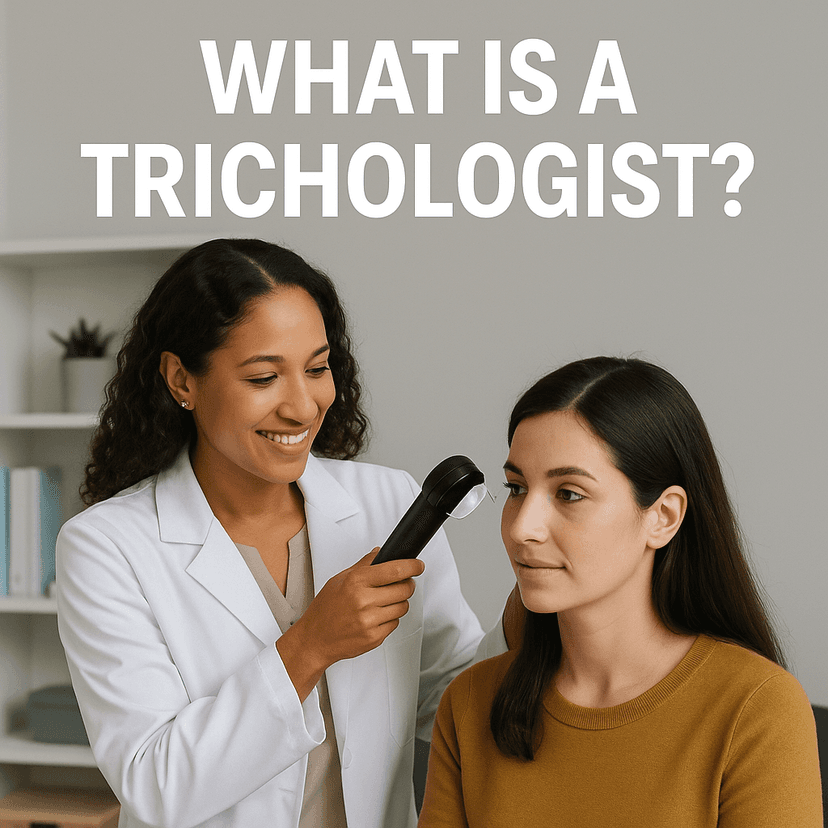
Learn what trichologists do, how they differ from dermatologists, who to see first, and what to expect in a visit—plus tips, red flags, and next steps.
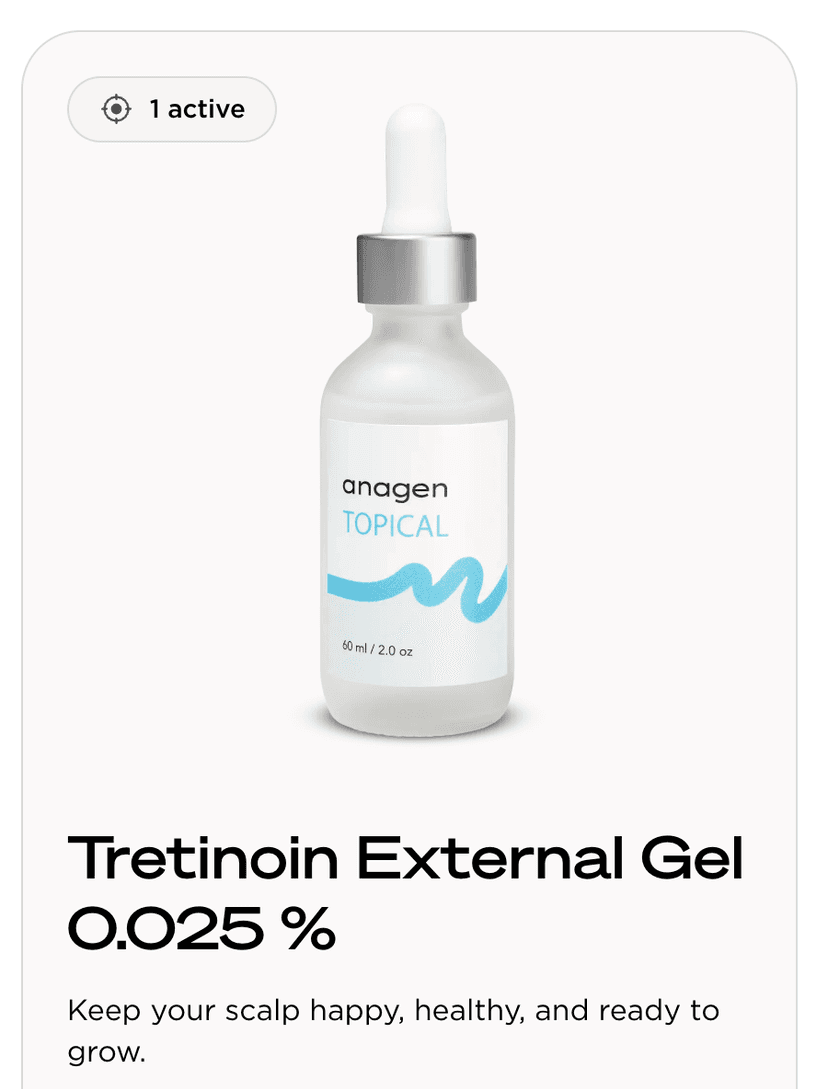
Hair loss affects over half the global population, but treatment innovation has lagged for decades. Now, tretinoin gel, long used in dermatology for acne and skin aging, is gaining traction as a potential aid in hair regrowth. At Anagen, we’re seeing growing patient interest in tretinoin-based formulas. Here’s what you need to know about how tretinoin works, what the evidence says, and how to use it safely and effectively for hair loss.

Dr. Takashi Tsuji, now heading Organ Tech, is the field’s trailblazer in true hair-follicle regeneration. His team can multiply a single donor follicle into hundreds of “hair germs” that grow into lifelong, fully functional follicles. In this interview he details why whole-follicle creation beats mere growth stimulants, unveils a three-step roadmap (cell-infusion in 2027-28 to full follicle transplants later), and explains plans to automate production and slash costs for patients worldwide soon.