The Truth About Shampoos: Do They Help or Hurt Hair Growth?
Not all shampoos are equal, some promote hair growth, others protect scalp health, and some cause hair loss. Learn the best ingredients to choose.
Not all shampoos are equal, some promote hair growth, others protect scalp health, and some cause hair loss. Learn the best ingredients to choose.

Not all shampoos are created equal, especially if you’re dealing with thinning, shedding, or a receding hairline. The right shampoo can support a healthy scalp environment and even play a role in promoting hair growth. The wrong one can dry out your scalp, irritate follicles, and make your hair loss worse.
In this guide, we’ll break down which shampoos and ingredients actually help with hair loss, which ones to avoid, and how to fit them into your routine for the best results.
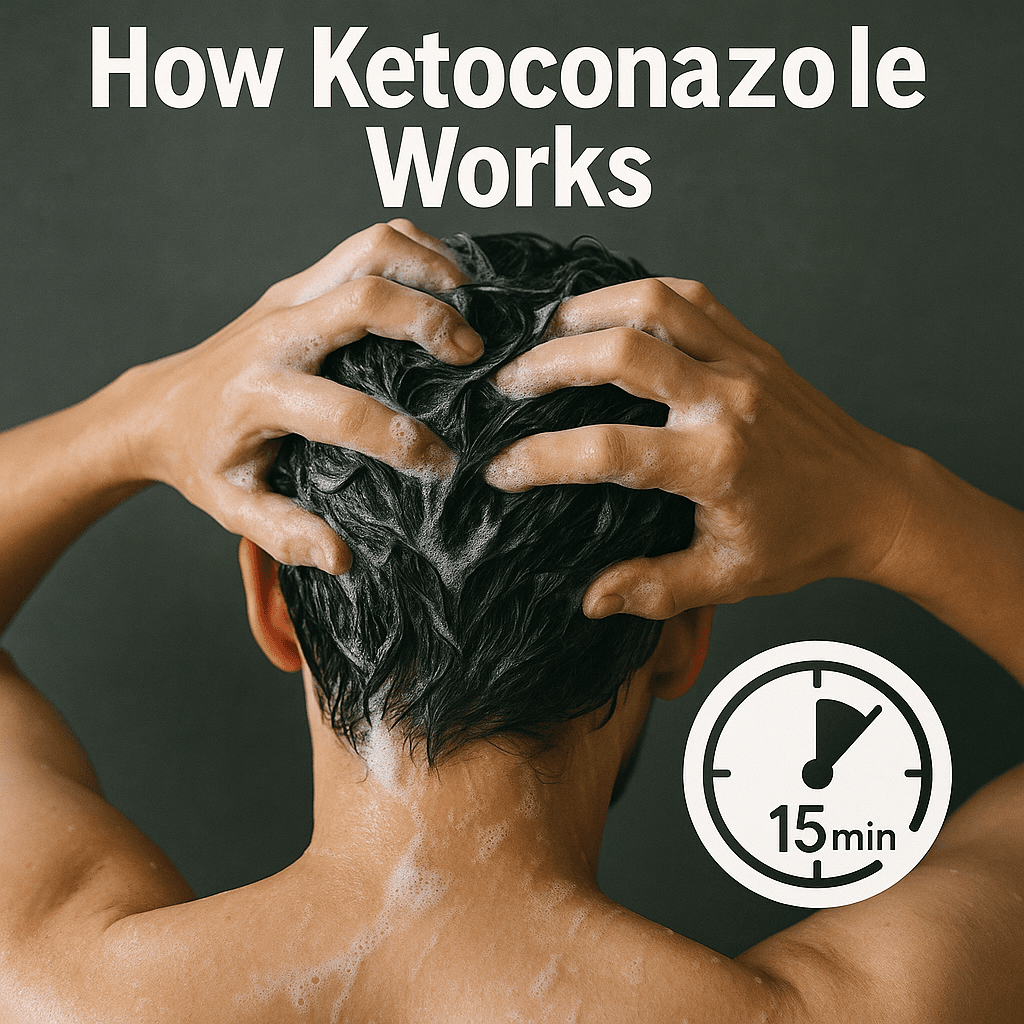
One of the most studied ingredients in hair growth shampoos is ketoconazole, an antifungal compound available in 1% and 2% strengths.
Decyl Glucoside: A sugar-based cleanser that lifts dirt and oil without irritation.
Disodium Laureth Sulfosuccinate & Sodium Lauryl Sulfoacetate (SLSa): Sulfate alternatives that break down buildup without damaging skin.
pH 5–5.5 formulas: Often achieved with citrus extracts to restore the scalp’s natural acid mantle.
These ingredients help maintain moisture, reduce inflammation, and support scalp microbiome health. At Anagen, we created FolliCool, our everyday shampoo designed for both sensitive and oily scalps, keeping hair and scalp balanced long-term.
Some shampoos contain harsh or irritating ingredients that can sabotage your scalp health:
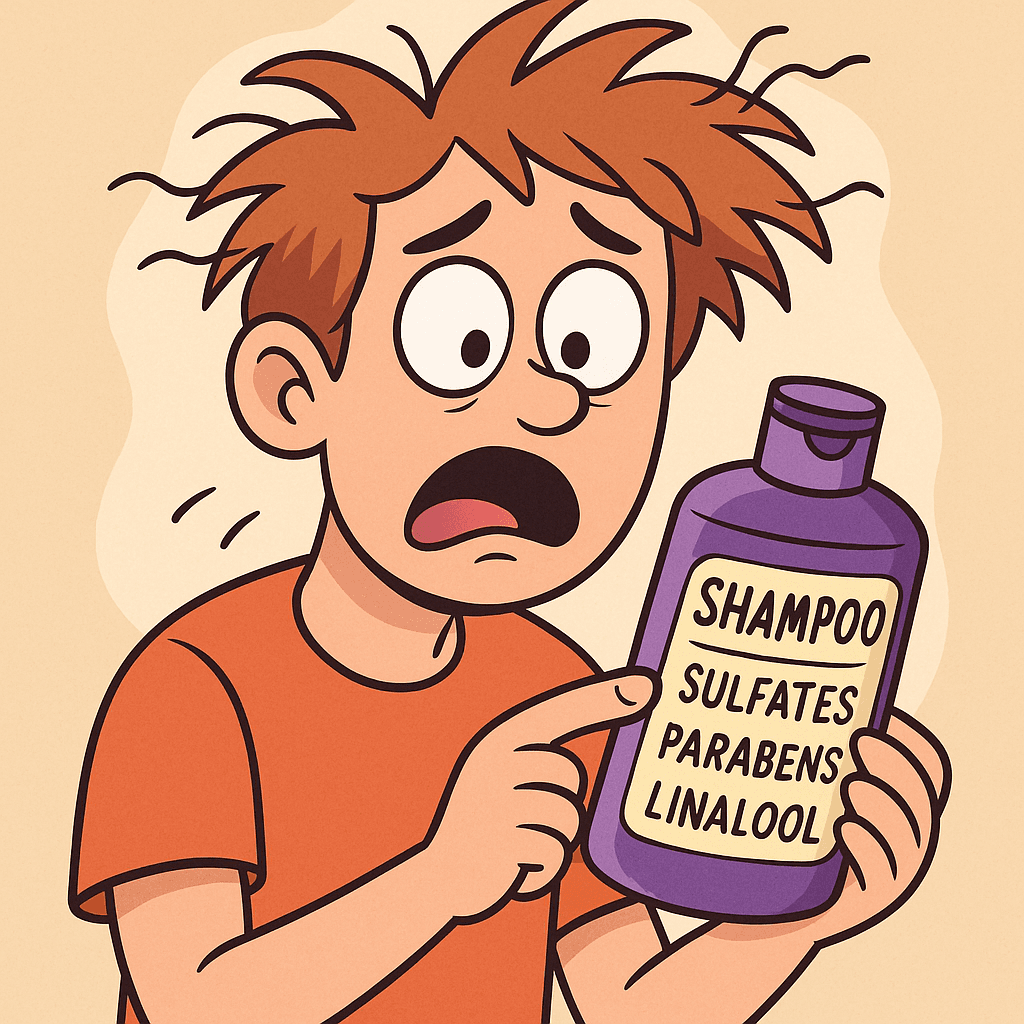
Sulfates: Overly strong detergents that strip natural oils, often leading to rebound oiliness, breakouts, and irritation.

Parabens: Preservatives small enough to be absorbed systemically; animal studies suggest possible hormone disruption.
Linalool: A fragrance additive that oxidizes into allergens, causing inflammation and potentially contributing to hair loss.
If your shampoo lists any of these on the label, it may be working against your hair goals.
Some believe that avoiding shampoo altogether is healthier. The reality is: skipping shampoo can backfire.
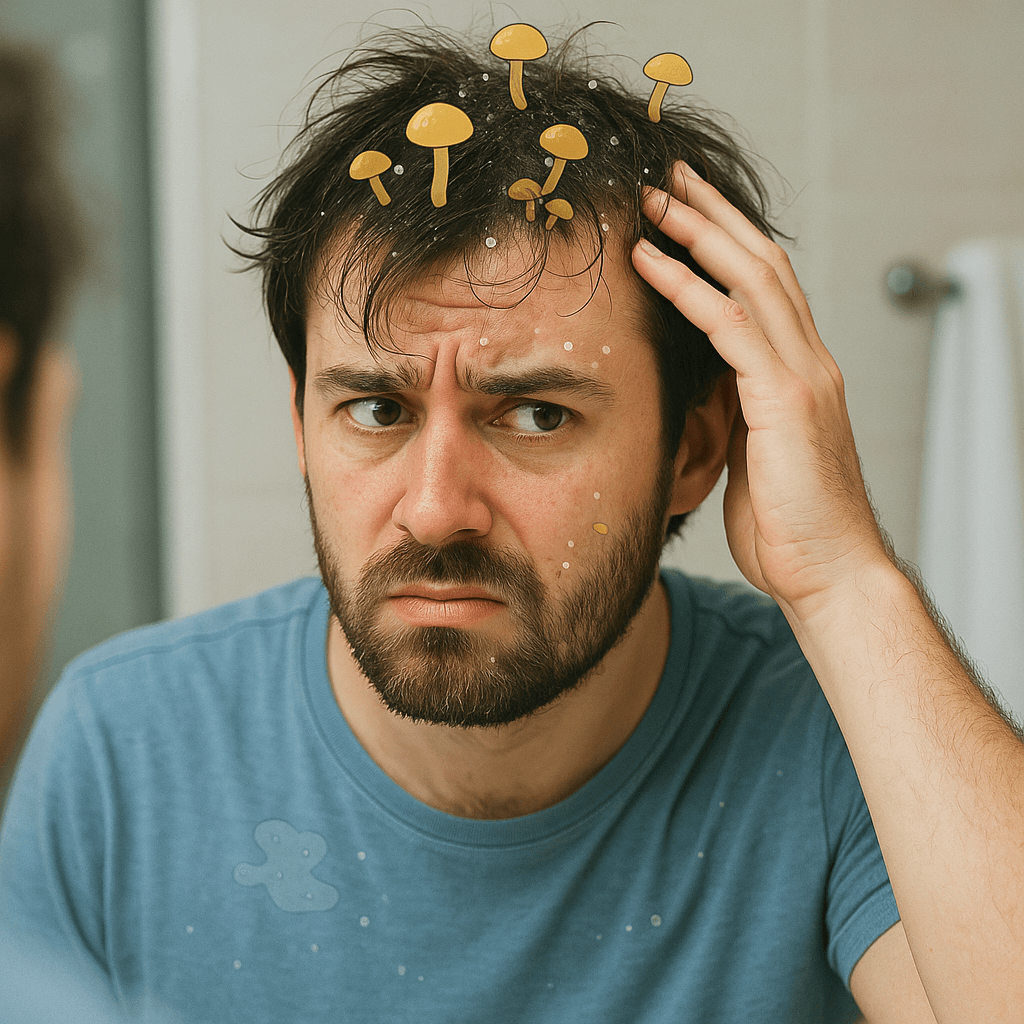
Without washing, scalp oils and lipids build up, creating the perfect environment for fungi like Malassezia, which can cause dandruff and seborrheic dermatitis. The result? Greasy hair, flakes, and irritation—not exactly the healthy, full look most people want.
Can shampoos really regrow hair?
Yes. Shampoos with ketoconazole (1% or 2%) have been shown to support hair regrowth by reducing inflammation, fighting fungal growth, and mildly blocking DHT.
How often should I use ketoconazole shampoo?
Most people benefit from using ketoconazole shampoo 2–4 times per week. To maximize effectiveness, leave it on the scalp for about 15 minutes before rinsing.
Is it bad to never use shampoo?
Going completely without shampoo can lead to oil buildup, dandruff, and seborrheic dermatitis, making hair look greasy and unhealthy. The right shampoo keeps your scalp clean and balanced.
How long should I leave ketoconazole shampoo on my scalp?
For best results, leave ketoconazole shampoo on your scalp for about 15 minutes before rinsing. This gives the active ingredient time to work.
Are sulfate-free shampoos better for hair loss?
Yes. Sulfate-free shampoos are gentler, prevent excess dryness, and help maintain the scalp’s natural oils, reducing irritation that can worsen thinning hair.
Not all shampoos are equal, some promote hair growth, others protect scalp health, and some cause hair loss. Learn the best ingredients to choose.

Not all shampoos are created equal, especially if you’re dealing with thinning, shedding, or a receding hairline. The right shampoo can support a healthy scalp environment and even play a role in promoting hair growth. The wrong one can dry out your scalp, irritate follicles, and make your hair loss worse.
In this guide, we’ll break down which shampoos and ingredients actually help with hair loss, which ones to avoid, and how to fit them into your routine for the best results.
One of the most studied ingredients in hair growth shampoos is ketoconazole, an antifungal compound available in 1% and 2% strengths.

Decyl Glucoside: A sugar-based cleanser that lifts dirt and oil without irritation.
Disodium Laureth Sulfosuccinate & Sodium Lauryl Sulfoacetate (SLSa): Sulfate alternatives that break down buildup without damaging skin.
pH 5–5.5 formulas: Often achieved with citrus extracts to restore the scalp’s natural acid mantle.
These ingredients help maintain moisture, reduce inflammation, and support scalp microbiome health. At Anagen, we created FolliCool, our everyday shampoo designed for both sensitive and oily scalps, keeping hair and scalp balanced long-term.
Some shampoos contain harsh or irritating ingredients that can sabotage your scalp health:
Sulfates: Overly strong detergents that strip natural oils, often leading to rebound oiliness, breakouts, and irritation.

Parabens: Preservatives small enough to be absorbed systemically; animal studies suggest possible hormone disruption.
Linalool: A fragrance additive that oxidizes into allergens, causing inflammation and potentially contributing to hair loss.
If your shampoo lists any of these on the label, it may be working against your hair goals.
Some believe that avoiding shampoo altogether is healthier. The reality is: skipping shampoo can backfire.

Without washing, scalp oils and lipids build up, creating the perfect environment for fungi like Malassezia, which can cause dandruff and seborrheic dermatitis. The result? Greasy hair, flakes, and irritation—not exactly the healthy, full look most people want.
Can shampoos really regrow hair?
Yes. Shampoos with ketoconazole (1% or 2%) have been shown to support hair regrowth by reducing inflammation, fighting fungal growth, and mildly blocking DHT.
How often should I use ketoconazole shampoo?
Most people benefit from using ketoconazole shampoo 2–4 times per week. To maximize effectiveness, leave it on the scalp for about 15 minutes before rinsing.
Is it bad to never use shampoo?
Going completely without shampoo can lead to oil buildup, dandruff, and seborrheic dermatitis, making hair look greasy and unhealthy. The right shampoo keeps your scalp clean and balanced.
How long should I leave ketoconazole shampoo on my scalp?
For best results, leave ketoconazole shampoo on your scalp for about 15 minutes before rinsing. This gives the active ingredient time to work.
Are sulfate-free shampoos better for hair loss?
Yes. Sulfate-free shampoos are gentler, prevent excess dryness, and help maintain the scalp’s natural oils, reducing irritation that can worsen thinning hair.